Sleep · Reviewed Formula
Why You Keep Waking Up at 3 AM
— And What Actually Helps Fix It
The 2 AM–4 AM Problem Nobody Talks About
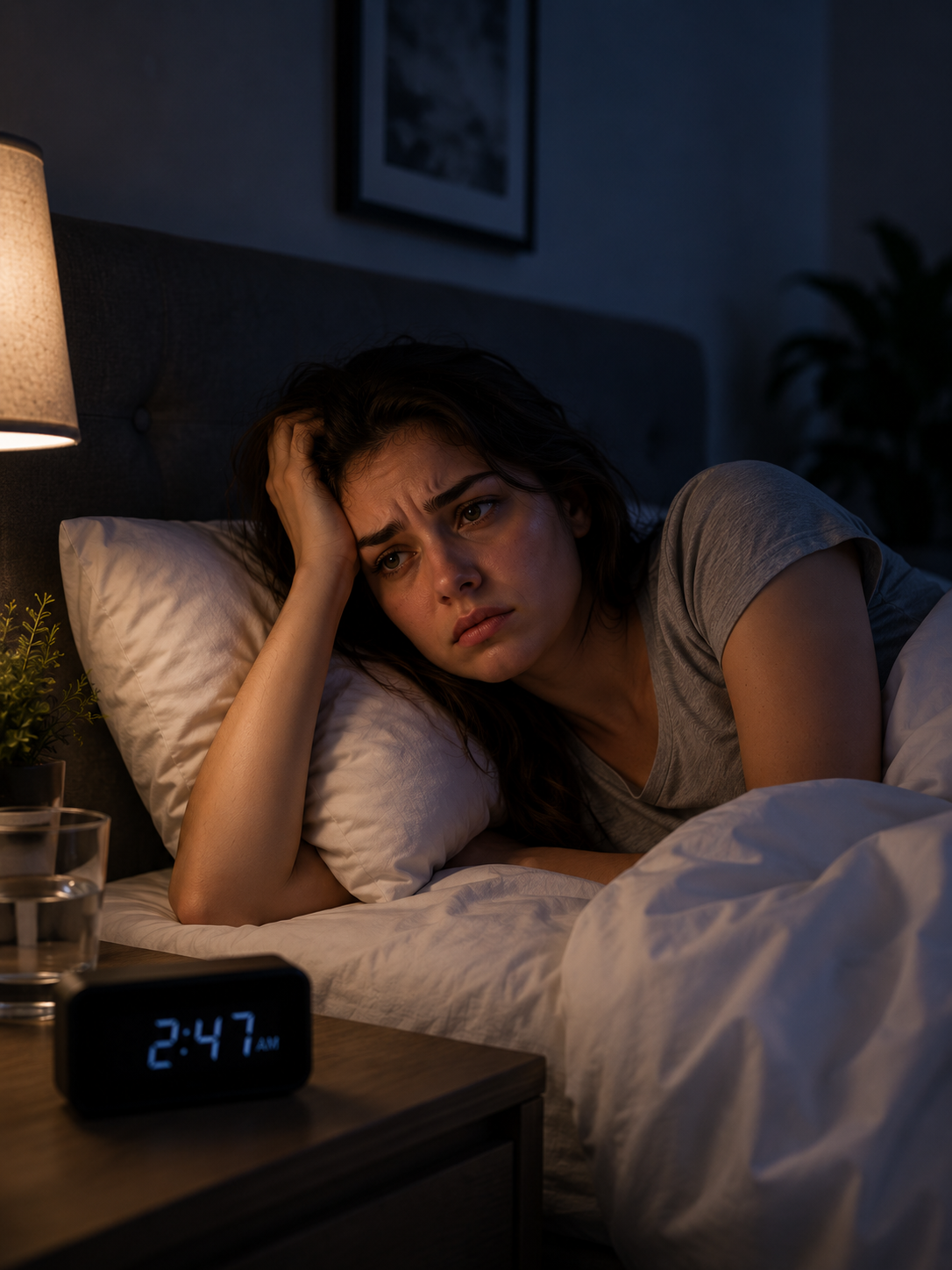
You fall asleep fine. Maybe even fast. Then, somewhere between 2 and 4 in the morning, your eyes snap open — and your brain decides this is the perfect time to replay every conversation you’ve had this week.
If that sounds familiar, you’re not alone, and you’re not broken. This specific pattern — easy sleep onset, followed by a hard mid-night wake-up — is one of the most common, and most misunderstood, sleep complaints among adults. It behaves differently from classic insomnia, and it usually doesn’t respond well to the tools most people reach for first: more melatonin, a stronger sedative, or “just going to bed earlier.” Many people quietly manage this with a formula like Yu Sleep, which is built specifically around this low-dose, non-hormonal approach.
What’s actually happening at 3 AM
Sleep isn’t one continuous state — it cycles through stages roughly every 90 minutes, and your body’s cortisol (stress hormone) naturally begins rising in the second half of the night to help you wake up in the morning. For a lot of people, that cortisol rise happens too early, or blood sugar dips, or the nervous system just hasn’t fully downshifted — and the result is the same: you’re wide awake at 3 AM, tired but wired.
Illustrative pattern based on how sleep-stage cycling and cortisol timing are generally described in sleep research — not a chart of any individual’s or product’s clinical data.
High-dose melatonin often makes this worse, not better. Melatonin’s job is to signal sleep onset — it’s not a sedative, and megadosing it (many products contain 5–10mg, well above what your body naturally produces) can actually disrupt the second half of your sleep cycle and leave you groggy the next day.
That’s the gap a newer category of non-hormonal, low-dose sleep support formulas is trying to fill.
What to Actually Look For in a Sleep Formula
Before recommending anything, here’s the honest checklist worth applying to any sleep product, not just the one below:
- Low or no melatonin — under 1mg works with your natural rhythm; large doses can backfire for middle-of-the-night wakers.
- GABA and L-theanine — amino acids studied for a calm, non-drowsy relaxation response rather than sedation.
- Magnesium glycinate — a well-absorbed, well-tolerated form used to support muscle relaxation and nervous system calm.
- 5-HTP — a precursor your body can convert toward serotonin/melatonin, used cautiously if you’re on SSRIs or MAOIs.
- Non-habit-forming ingredients — something you can use nightly without building tolerance.
- A real refund policy — no supplement works for 100% of people, so you shouldn’t have to gamble a full purchase.
A Formula Built Around This Exact Problem: Yu Sleep
One of the more interesting options currently on the market for the “asleep fine, awake at 3am” pattern is Yu Sleep — a liquid, sublingual (under-the-tongue) sleep support formula built around a low-dose, non-hormonal-first approach rather than a heavy melatonin hit.
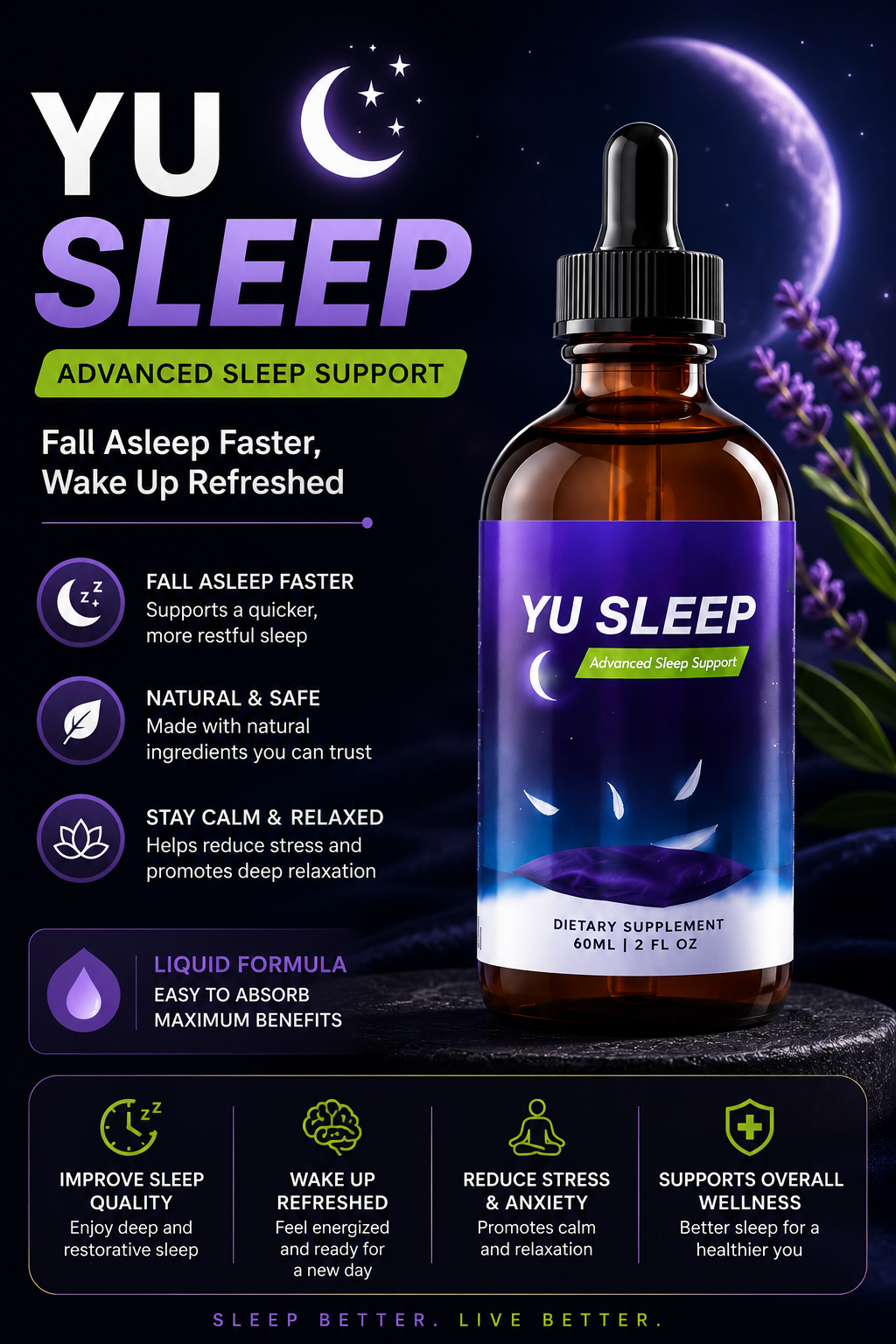
The formula ships as a liquid you take sublingually — two droppers, about 30 minutes before bed — rather than a capsule you swallow, on the idea that sublingual absorption may act faster than digesting a pill. You can see the full formula and current availability directly on the official Yu Sleep page.
On the science: the brand cites roughly 20 published studies behind its individual ingredients — melatonin, GABA, L-theanine, 5-HTP, magnesium, tart cherry, and B-vitamins each have real peer-reviewed research on sleep-related outcomes. Those studies were done on the individual ingredients, not on Yu Sleep as a finished formula — so treat it as “built on studied ingredients,” not “clinically proven as a product.”
Be realistic: like every dietary supplement sold in the U.S., Yu Sleep is not FDA-evaluated or approved. Most people notice a difference within 3–7 nights, with fuller effects building over several weeks. If you’re on SSRIs, MAOIs, or other serotonin-affecting medication, or pregnant/nursing, talk to a doctor first because of the 5-HTP.
Is It a Fit For You?
Good fit
- You fall asleep okay but wake up 2–4 AM
- High-dose melatonin left you groggy or wired
- You want non-habit-forming, non-prescription support
- You prefer a liquid dropper over swallowing pills
Skip it if
- You’re on SSRIs, MAOIs, or serotonin-affecting meds
- You want an instant, one-night fix
- You’re pregnant or nursing without medical guidance
What a Full Night Looks Like
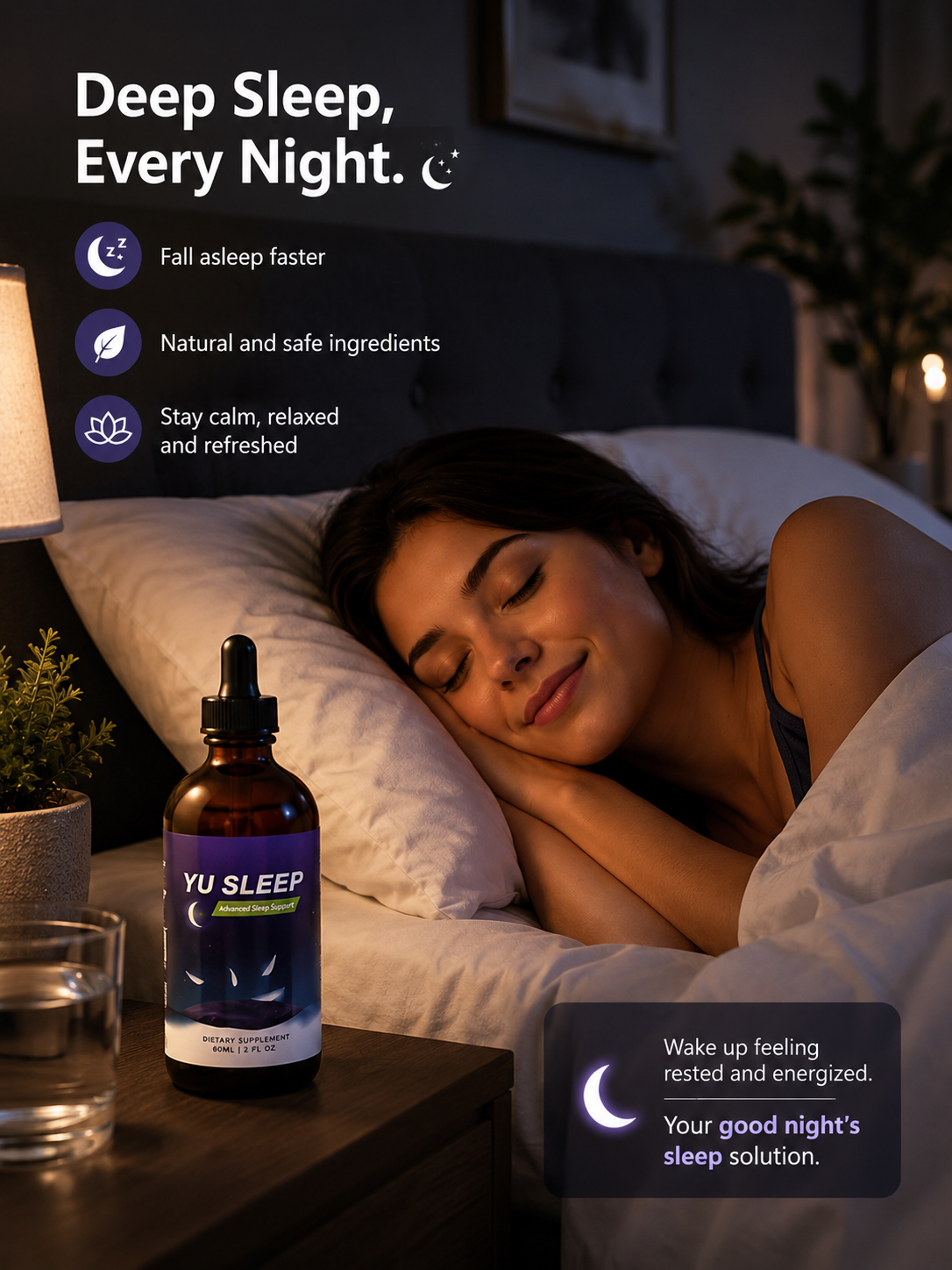
The idea behind Yu Sleep isn’t just falling asleep faster — it’s staying asleep through the stretch that usually breaks, and waking up without the grogginess that heavier sedatives leave behind.
Bottom Line
Waking up at 3 AM isn’t a personal failure and it isn’t “just stress” — it’s a specific sleep-architecture pattern that most generic sleep aids aren’t built for. If you’ve already tried melatonin and it hasn’t helped, a low-dose, multi-ingredient, non-hormonal formula like Yu Sleep is a reasonable, low-risk next thing to try.
Affiliate Disclosure: This post contains affiliate links. If you purchase through them, I may earn a commission at no extra cost to you. This article is for informational purposes only and is not medical advice. Yu Sleep, like all dietary supplements, is not evaluated or approved by the FDA and is not intended to diagnose, treat, cure, or prevent any disease. Talk to a healthcare provider before starting any new supplement, especially if pregnant, nursing, or taking medication.