

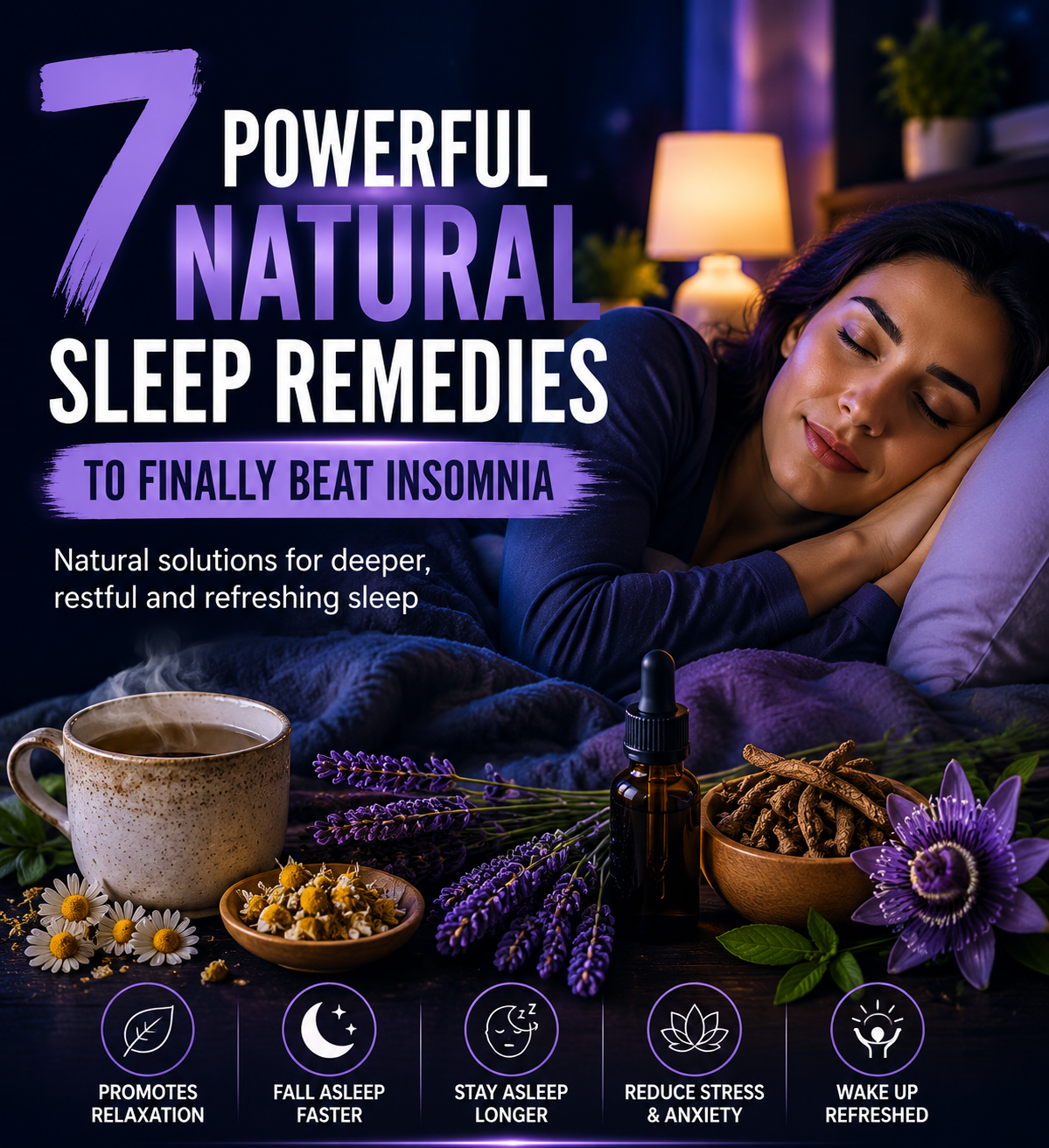

Natural sleep remedies have become one of the most searched wellness topics of the last few years, and it’s not hard to see why. Somewhere between blue-lit screens, late-night stress, and packed schedules, a full night of real, uninterrupted sleep has started to feel like a luxury instead of something the body just does on its own.
The good news: for most people, poor sleep isn’t a mystery that requires a prescription to solve. It’s usually a stack of small, fixable habits — and a few genuinely helpful natural sleep remedies — working against you at the same time. This guide walks through why sleep breaks down in the first place, exactly what to do about it, and the natural formula that’s helping people fall asleep faster, without any of the habit-forming downsides.
In this article
The Hidden Cost of Poor Sleep
It’s easy to treat a bad night as a minor inconvenience. The research says otherwise. The CDC reports that more than a third of American adults regularly get less sleep than recommended, and chronic short sleep is linked to higher risks of heart disease, weakened immunity, weight gain, and mood disorders.
Beyond the long-term risks, there’s the everyday cost: the fog that makes a simple email take twice as long, the short temper with people you love, the third cup of coffee that still doesn’t fix anything. Sleep debt is quiet, but it adds up fast.
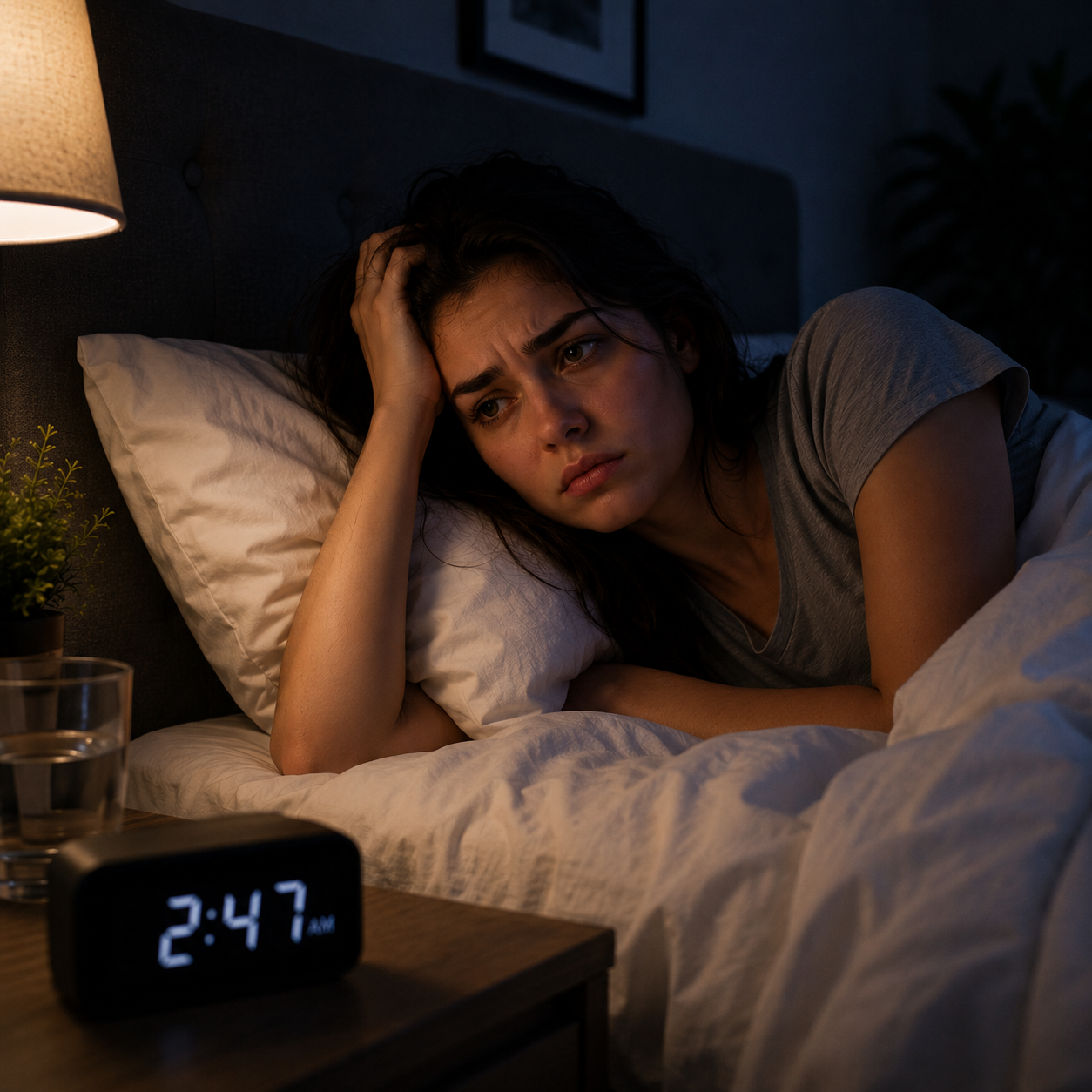
Why We Struggle to Fall Asleep
Before jumping to solutions, it helps to understand what’s actually working against your sleep. A few of the most common culprits:
- Screen light before bed — blue light suppresses melatonin, the hormone that signals your body it’s time to sleep.
- An overactive mind — stress and unresolved to-do lists keep the nervous system in “alert” mode long after you’ve turned off the lights.
- Inconsistent schedules — going to bed and waking up at different times confuses your internal clock, known as your circadian rhythm.
- Caffeine and alcohol timing — both interfere with sleep quality, even hours after consumption.
- A bedroom that isn’t built for rest — light, noise, and temperature all quietly work against deep sleep.
According to the Sleep Foundation, insomnia is one of the most common sleep disorders, and it’s frequently tied to exactly these everyday habits rather than anything more serious. That’s actually encouraging — it means the fix is usually within reach.
7 Natural Sleep Remedies That Actually Work
These are the natural sleep remedies with the most consistent research and real-world results behind them. None of them require a prescription, and most cost nothing to try tonight.
1. Keep a consistent sleep-wake time
Your circadian rhythm thrives on repetition. Going to bed and waking up within the same 30-minute window every day — yes, even on weekends — is one of the simplest and most effective natural sleep remedies available.
2. Dim the lights an hour before bed
Lowering household lighting and switching devices to night mode gives your melatonin levels a chance to rise naturally, instead of fighting against artificial light.
3. Try herbal support
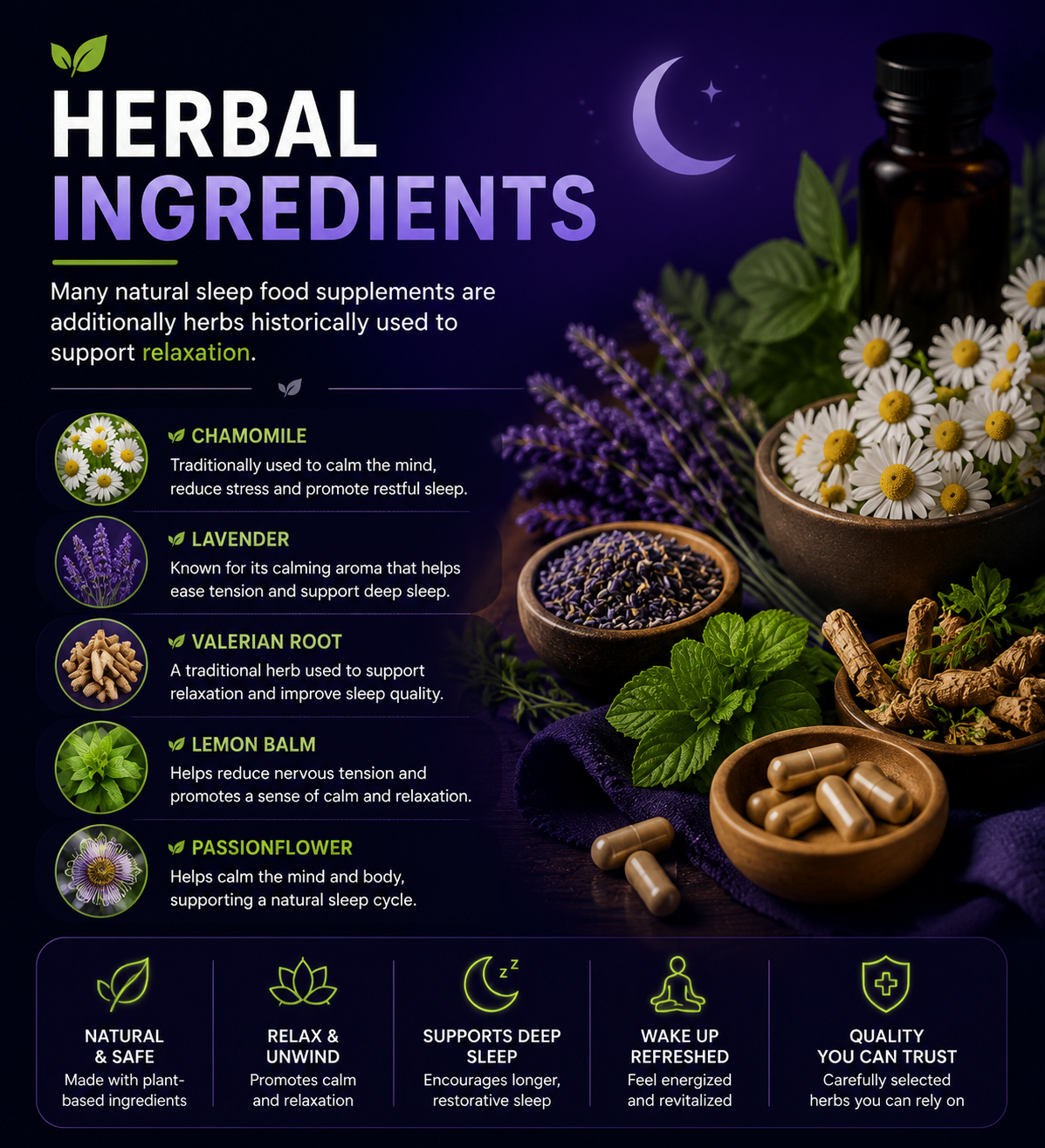
Ingredients like chamomile, valerian root, l-theanine, and magnesium have long been used as natural remedies for sleep, and the National Center for Complementary and Integrative Health notes that several of these have shown promise for easing the time it takes to fall asleep. They work with your body’s own relaxation response rather than sedating it.
4. Practice a wind-down breathing technique
Slow, extended exhales activate the parasympathetic nervous system — the “rest and digest” side of your body — and can shorten the time it takes to fall asleep. A simple 4-7-8 breathing pattern (inhale 4 seconds, hold 7, exhale 8) is a favorite among sleep coaches for good reason.
5. Watch your evening caffeine and alcohol
Caffeine can linger in your system for 6–8 hours. Alcohol may make you drowsy at first, but it fragments deep sleep later in the night. Cutting both off earlier in the day is a quiet but powerful natural sleep remedy.
6. Cool, dark, and quiet — every night
A bedroom around 65°F (18°C), blackout curtains, and white noise or earplugs remove three of the biggest environmental disruptors to deep sleep.
7. Move your body earlier in the day
Regular exercise improves sleep quality significantly — just aim to finish vigorous workouts a few hours before bed, since exercising too close to bedtime can be stimulating rather than calming.
Why People Are Turning to a Natural Sleep Support Formula
Habits alone can take you most of the way to better sleep, but a lot of people add one more layer: a natural, plant-based formula taken shortly before bed. Here’s what regular users typically report:
- Falling asleep faster — instead of lying awake running through tomorrow’s to-do list, the wind-down feels shorter and easier.
- Staying asleep through the night — fewer 3 a.m. wake-ups, and less tossing and turning.
- Waking up refreshed, not groggy — because it works with your body’s natural sleep cycle instead of forcing sedation.
- Non-habit-forming — it’s designed to support your sleep, not create a dependency on it.
- An easy nightly ritual — one simple step added to a routine you’re already building from the habits above.
If you want to see exactly what this looks like in practice, you can check out the full formula here.
Building a Wind-Down Routine That Sticks
Natural sleep remedies work best as a routine, not a one-off fix. Try stacking two or three of the habits above into a repeatable 30–45 minute wind-down: dim the lights, brew a caffeine-free herbal tea, put the phone away, and spend a few minutes on slow breathing or light stretching — this is also a great way to support your circadian rhythm alongside these natural sleep remedies.
For a deeper dive into building this out step by step, see our complete sleep hygiene checklist — it walks through exactly how to structure a bedroom and evening routine for consistently deeper sleep.
When to Consider Extra Sleep Support
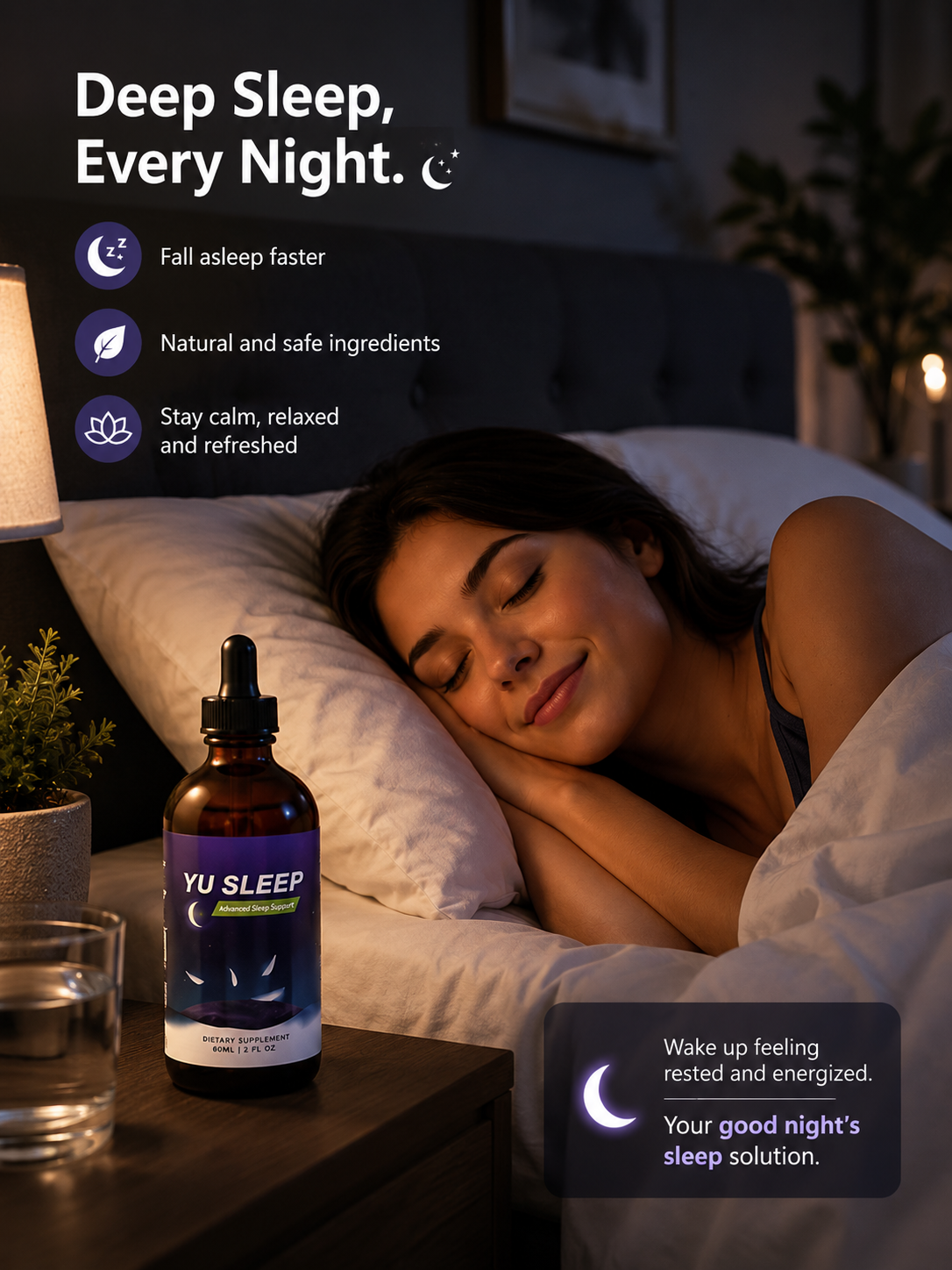
Sometimes lifestyle changes alone need a bit of extra help — especially during high-stress stretches, travel, or seasons when your schedule is out of your control. This is where many people look toward a natural, non-habit-forming sleep support formula to gently nudge the body toward rest, on top of the habits above rather than instead of them.
It’s a small addition, but for a lot of people it’s the missing piece between “doing everything right” and actually sleeping through the night. If you’d like to see the exact option this article’s author personally uses as part of her evening routine, you can check it out here.
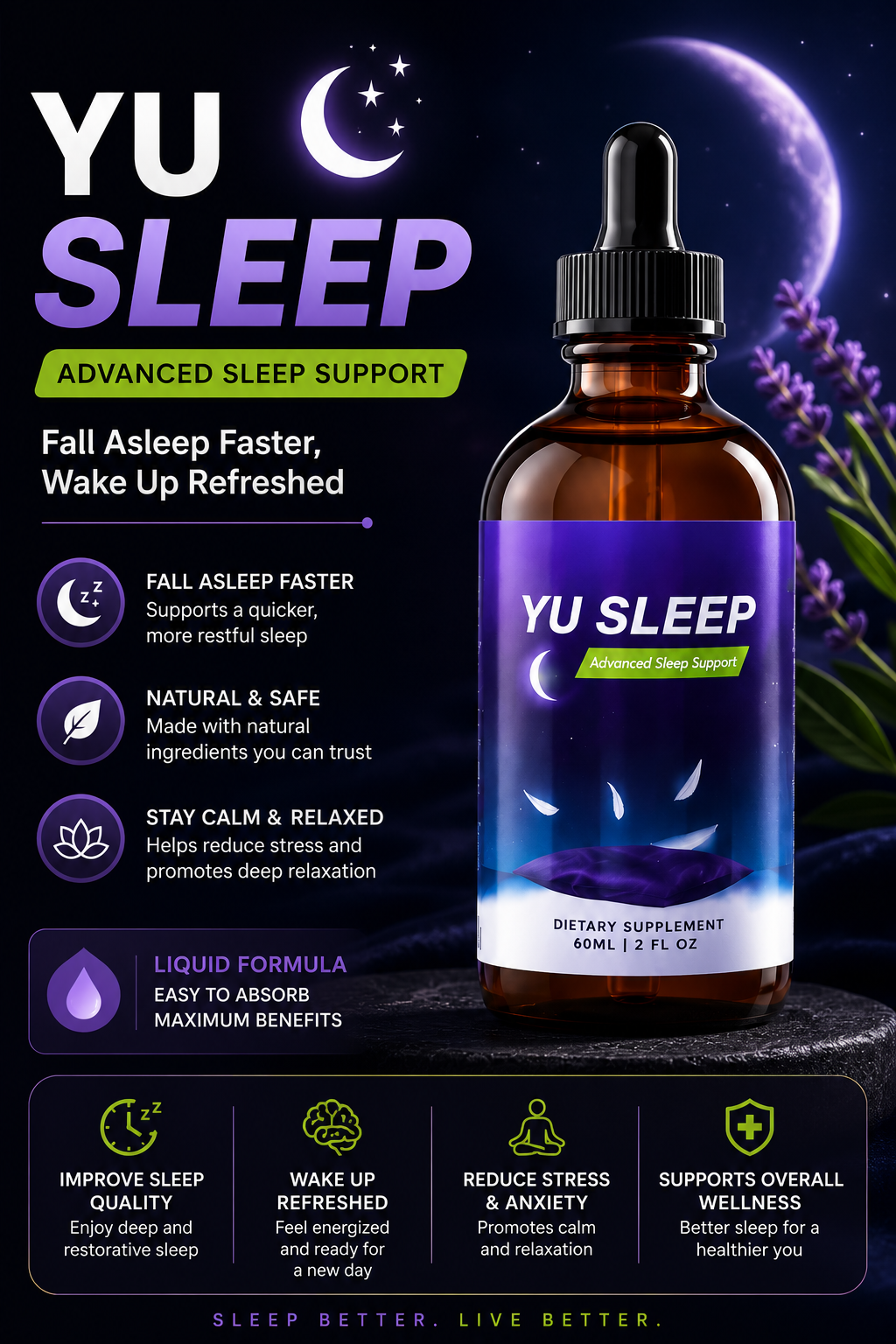
Your Best Night’s Sleep Starts Tonight
You’ve got the habits. Now pair them with a natural formula built to help you fall asleep faster, stay asleep longer, and wake up actually feeling rested — no grogginess, no dependency, just deeper sleep.
See the Sleep Support Formula →Opens in a new tab · Affiliate link

Frequently Asked Questions
What are the most effective natural sleep remedies?
Consistent sleep-wake timing, reduced evening light exposure, herbal support like chamomile or valerian, and a cool, dark bedroom are the natural sleep remedies with the strongest track record.
How long do natural sleep remedies take to work?
Habit-based changes like light exposure and consistent timing can show results within a few days. Herbal or supplement-based remedies, like the natural formula mentioned in this article, often take one to two weeks of consistent use to show their full effect.
Are natural sleep remedies safe to use every night?
Most lifestyle-based remedies are safe long-term. If you’re considering an herbal supplement, it’s worth checking with a doctor first, especially if you take other medications.
Can natural sleep remedies replace medical treatment for insomnia?
For occasional or mild sleep trouble, yes — often they’re enough on their own. If poor sleep is severe, persistent, or affecting your daily life, it’s best to speak with a healthcare provider to rule out an underlying sleep disorder.
Good sleep isn’t about one perfect trick — it’s the compound effect of small, consistent choices. Start with one or two natural sleep remedies from this list tonight, build the habit for a week, then layer in the next one, and consider adding the natural sleep formula covered above if you want an extra push. Your future, well-rested self will thank you.
Keep Reading
Sleep isn’t the only thing your body needs to reset. If you’re also working on your health from the inside out, don’t miss our guide on HepatoBurn.
Read the HepatoBurn Guide →Continue reading